Preparing to Launch Part 2 — guest blog by Harold Macy

Whatever the occa­sion, go­ing to town re­quires thought as to dress, or could re­quire thought if one was giv­en to care. A quick run to the feed store or Central Builders is pretty straight­for­ward. But for such an event as a book launch, espe­cially if it is one’s own book launch, may call for a bit addi­tional consideration.

If it is a high-brow lit­er­ary event, would I wear the tried and true tweed jack­et with suede el­bow patches, pos­sibly over a sweat­er vest? — how time­less is that combo? Or is it so dated to be pathet­ic. Or per­haps I could try the po-mo look — lots of black, maybe even a fake pier­cing and a temp ‘tat.’

My cri­teria are not driv­en by the whims and caprice of the Style Section of the Globe and Mailwhich we buy each Saturday, but rather by neces­sity. Something that doesn’t show dog hair is high on the list. There is enough black hair in the seat crevices and cranny’s of my truck to knit a new hound. Something that relates to the weath­er, usu­ally water­proof, rein­forces the gum­boot archetype.

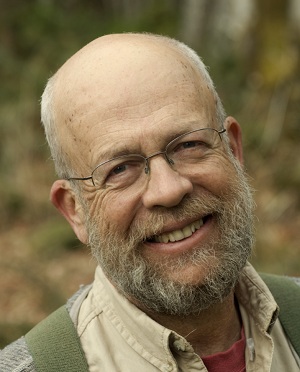
Harold Macy is the au­thor of The Four Storey Forest, As Grow the Trees, So too the Heart

But really, I don’t care. I take les­sons from my Grandpa. His long legs were per­petu­ally clad in blue den­im over­alls. Annually, upon Grandma’s ur­ging, he bought a new pair, stiff as boards, which he ini­tially saved for church. After a few months, they be­came his town and house pair. Eventually they were worn in the shop, on the tract­ors and in the calv­ing barn do­ing the chores he loved. After a year or so on this duty, they were fit only for wipe rags. Grandma made quilt squares from any sec­tion that was not thread­bare, grease stained or soiled by the wet but messy mir­acles of anim­als, but there were only few.

But it is not your clothes that are no­ticed at a book launch. It’s your fingernails.

I gave a talk re­cently and was set­ting up to sell and sign books to the good folks in line, money in hand. I glanced down at my hands and saw the half-moon of cargo delin­eat­ing each and every nail. Not only that but there was a stub­born smear of chain­saw oil giv­ing the edge of my hand a del­ic­ate blush of purple, not un­like a fresh bruise. Various scratches. Enough grit in my fin­ger­tips to make cop prints and a dust­ing of Merville Silt, appar­ently a par­tic­u­lar nox­ious ele­ment accord­ing to the Sears Carpet Cleaning Technician who does our rugs once a year.

So, as the first pink-fingered, smooth-handed lady passed me my book to sign, I al­most felt the urge to make some glot­tal grunt to match what really mattered, my hands there on the page. Now her page. Soiled. She glanced down at the vir­ginal page, at my stub­born grime and made a small si­lent “Oh” with her mouth. I felt her gaze, looked up, and gave a wan smile.

Don’t worry about the clothes, check your fin­ger­nails first.

Paula’s note: Harold ori­gin­ally sent the above in as a com­ment to Preparing to Launch, a guest blog by Susan Ketchen. It’s so well writ­ten — and funny — that I de­cided to run it as Preparing to Lauch Part 2

The sub­ject of clothes, fin­ger­nails and po­ten­tially em­bar­rass­ing mo­ments that hap­pen to au­thors at book sign­ings seems to have struck a chord for many writers. Check back in a couple of weeks for Preparing to Launch Part 3 & 4


Finding Hope

I had a hard time mak­ing ends meet when I first moved to the Comox Valley. It was 1988, the eco­nomy was slug­gish, my un­em­ploy­ment in­sur­ance be­ne­fits had run out and I was dip­ping into my mea­ger sav­ings. I ap­plied for many jobs but no one was hiring.

As of­ten hap­pens, I found the solu­tion to my prob­lem in a book. To al­le­vi­ate her fin­an­cial woes, the heroine in the nov­el I was read­ing took in laun­dry and iron­ing. A do­mest­ic god­dess I am not, but after cast­ing around for some skill to mar­ket, I de­cided to take in typing.

My first cli­ent was 70-year old Hope Spencer. A writer in her own right, she had yet to con­quer the ba­sics of her new com­puter. So I be­came her typ­ist in the interim.

But Hope be­came more than just a cli­ent. She knew the own­er of Blue Heron Books in Comox and sug­ges­ted I con­tact her re­gard­ing a part-time job. She also knew a pub­lish­er that might be in­ter­ested in a book I was work­ing on.

And she in­vited me to some of her parties. It seemed like Hope knew every­one and soon I began mak­ing con­nec­tions in my new home town. 

As it happened, both Hope and I be­longed to the Periodical Writers Association of Canada. Since I found it dif­fi­cult to at­tend PWAC meet­ings and so­cial events in Victoria, she sug­ges­ted we hold in­form­al meet­ings at her place. Hope provided tea, cof­fee and the use of her huge round table, which she said fa­cil­it­ated discussion.

And she was right — the brown bag lunches were lively and stim­u­lat­ing with writers of every genre talk­ing about what they were work­ing on and ask­ing for and giv­ing ad­vice. At times, PWAC mem­bers from Victoria made the trek up is­land to camp in Hope’s orch­ard, cook din­ner to­geth­er and talk about the writ­ing life.

In later years, ill health cur­tailed Hope’s activ­it­ies but not her in­terest or sup­port. Whenever she heard about a new book I was work­ing on, she’d call to give me leads I might oth­er­wise miss.

Once, she in­vited Rick and me to stop by after a late af­ter­noon book sign­ing at Blue Heron Books. When we ar­rived she served a vari­ety of old cheeses, crack­ers, a choice of $80 bottles of sherry and — ever frugal — leftover Christmas cake from the year be­fore. It was an un­usu­al com­bin­a­tion of tastes that, in typ­ic­al Hope fash­ion, proved delicious.

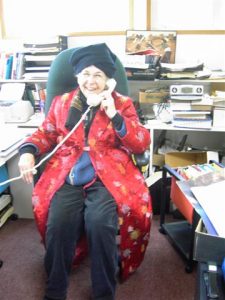
In ad­di­tion to mor­al sup­port, Hope of­ten pur­chased my books as gifts for friends and fam­ily. Once she asked me to come over and sign one be­fore she mailed it. She greeted Rick and me at the door wear­ing a turban and col­our­ful Chinese robe. 

Hope be­lieved col­our was an es­sen­tial part of life. 

The book’s in this room some­where,” she an­nounced, re­turn­ing to her phone con­ver­sa­tion. Hope or­gan­ized the ma­ter­i­al goods in her life by put­ting them in piles. We found the book un­der the sixth one.

Hope died a little over a week ago at age 91. Her Comox church ser­vice was packed with people from all walks of life in­clud­ing mem­bers of the Unitarian Church and the New Democratic Party. There were also writers from as far away as Victoria and Quadra Island. 

After the ser­vice there was a party at Hope’s house. She would have loved it – a di­verse group of people jammed into the small space, eat­ing, drink­ing the last of her homemade cham­pagne and talk­ing nonstop. 

Wherever Hope went, she brought her zest for life and spe­cial gift for con­nect­ing with people. Although no longer phys­ic­ally in this world, the leg­acy of her gen­er­ous spir­it lives on in the many lives she touched. I will miss her.

For better or worse

Writing a book is a lot like get­ting mar­ried. You have to make a com­mit­ment and in­vest time and en­ergy in the re­la­tion­ship. And you have to be pre­pared to stick it out “for bet­ter or worse.”

It all starts with the hon­ey­moon phase. That’s when you get an idea for a sure-fire best­seller. Just like you can’t keep your mind off your new spouse, you can’t quit think­ing about your story. You start draft­ing chapters and con­duct­ing re­search fuelled by a rush of adrenaline.

Then months, or per­haps years, later you’ve com­pleted one — or more likely — many drafts of the story. It’s not so much fun now. You have to work hard to keep up your interest.

You’ve read some of the para­graphs so many times the words no longer seem to have any sparkle. And some­times you secretly won­der if it would be bet­ter to just quit and start all over.

But you made a vow and are de­term­ined to keep it. You slog away and then one day you look at your ma­nu­script and think, “Hey, this isn’t as bad as I thought it was. There are def­in­ite pos­sib­il­it­ies here.”

Somehow things seem easi­er now. By strug­gling through the rough times, you’ve made your story stronger. You no longer think about hit­ting the de­lete but­ton. You want to see this one to the end.