
How fixing my dishwasher improved my writing practice


I’d been wash­ing dishes by hand for a week and hated it. My dish­wash­er is old, pos­sibly an­cient. It came with the house and, al­though a bit noisy, was oth­er­wise fine. Now the cups cling to their tea stains and flecks of dried food dec­or­ate the plates.

The dish­wash­er was too old to call a repair­man. That left two choices: fix it my­self or buy a new one. A friend sug­ges­ted I check the fil­ter and after think­ing it over, I de­cided to give it a go. After all, every­one said it was easy. I de­cided to ded­ic­ate one hour to the project.

YouTube in­tro­duced me to a vari­ety of dish­wash­er tu­tori­als. Of course, none fea­tured a vin­tage ma­chine like mine. Taking out the bot­tom rack was easy. But no mat­ter how hard I pressed, pulled and tugged, get­ting any­thing else to budge was impossible.

Then I re­called be­ing sur­prised by how much force re­pair people use. I gripped part of the ap­par­at­us and heaved. To my de­light, one piece and then the oth­ers popped loose.

It was no sur­prise to find nasty look­ing stuff in the fil­ter. But I was baffled by what looked like shreds of purple fab­ric and a long, slender piece of plastic. Not my do­ing, I swear!

After clean­ing the re­mov­able pieces and care­fully prod­ding vari­ous holes in­side the ma­chine, I was ready to put everything back to­geth­er. There was only one prob­lem. I dis­tinctly re­membered re­mov­ing three pieces from the dish­wash­er but there were four on the floor. And none seemed to fit anywhere.

I tried in­sert­ing one piece and then an­oth­er and then put­ting them to­geth­er in vari­ous ways. It was like work­ing on a jig­saw puzzle rated Extremely Difficult.  Exasperated, I flung the largest piece into the dish­wash­er. To my amazement, it settled into place.

That gave me hope. Glancing at the clock, I saw I had ten minutes left. “Where are you, Dad?” I muttered as I at­temp­ted to join the re­main­ing pieces to­geth­er. My dad was an en­gin­eer. When I was young, I was con­vinced he could fix anything.

Even though he’s been gone for dec­ades, Dad’s spir­it must have guided my hands. I sud­denly flipped everything up­side down and each piece settled into place.

I fixed my dish­wash­er in 59 minutes, and a test run pro­duced spark­ling clean dishes.

So what does this have to do with writ­ing? Or any­thing in life?

#1. I set a clear goal with a time limit

Task com­pleted with­in a cer­tain peri­od. No wan­der­ing off to watch hum­ming­birds or check email.

#2. When some­thing doesn’t work, try harder

Even though I was frus­trated, I didn’t give up.

#3. When all else fails, try a bizarre approach

Throwing a part into the dish­wash­er and hav­ing it land in the right place was a mir­acle. But that small suc­cess en­cour­aged me to look at the rest of the prob­lem in dif­fer­ent ways.

#4. Ask for help

Help can come from a vari­ety of places in­clud­ing friends, ment­ors, Google and YouTube videos. And some­times just know­ing your dad would be there for you if he could, is enough.

I’ve known these tips for dec­ades. But as so of­ten hap­pens, I’d let them fade into some ob­scure part of my brain. Now they’re on a yel­low sticky note be­side my computer.

Illustration by Elena Istomino 
 

Can cursive writing solve your plot problem?


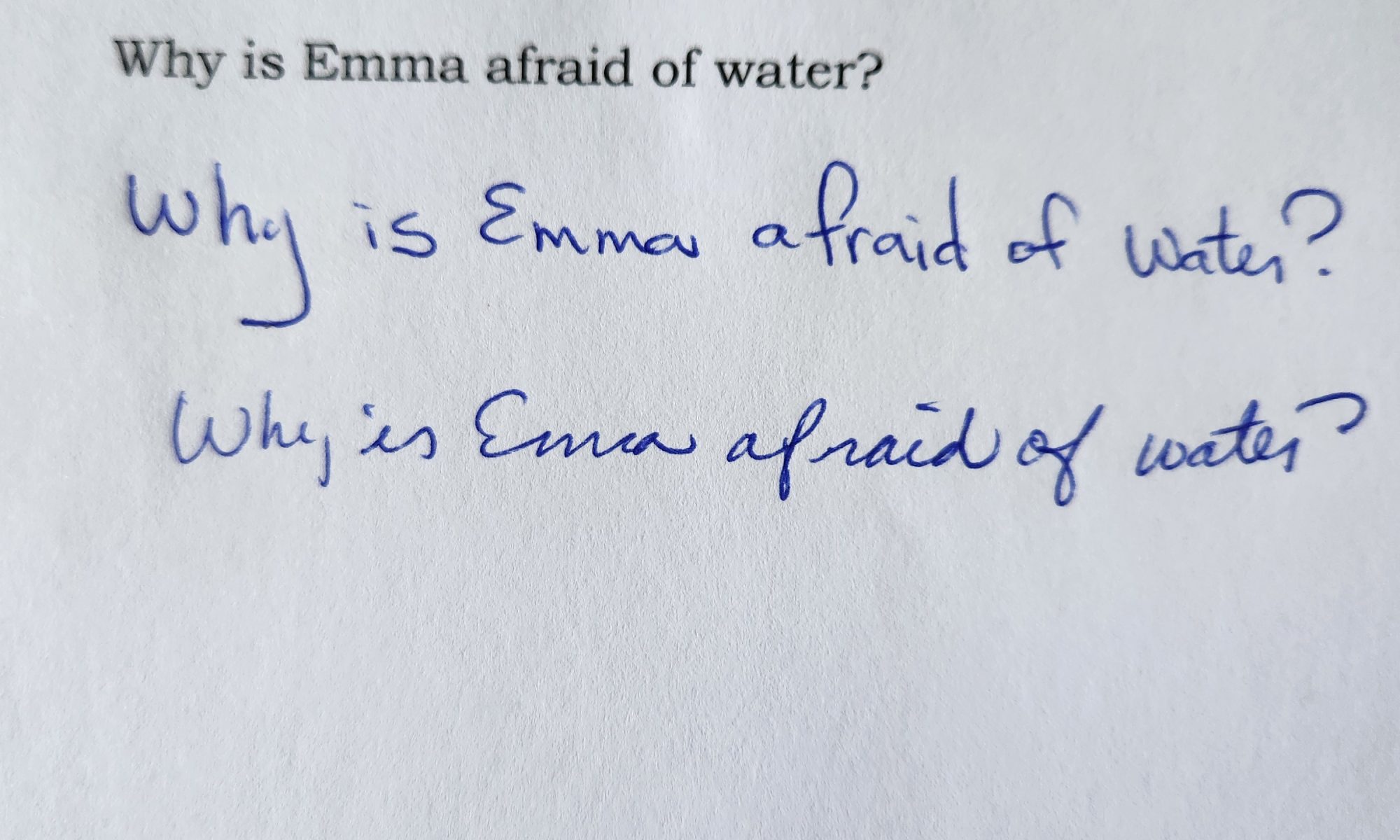
I’m a fast typer and giv­en a choice, that’s the meth­od of get­ting words on pa­per I’ll al­ways choose. But when I’m stuck and don’t know how to get a char­ac­ter from point A to B or ex­press my protagonist’s emo­tion­al state in an in­nov­at­ive way, I in­vari­ably get a piece of pa­per and a pen to sort things out.

Jotting down my thoughts by hand seems to spark a mul­ti­tude of ran­dom ideas. It might take a bit of time but even­tu­ally, my scribbles pave the way to a solution.

In the past, I thought I was just be­ing old school, fall­ing back on what I’d learned as a child. But google “hand­writ­ing versus typ­ing” and you’ll find sci­ence-based arti­cles pub­lished by Scientific American, PubMed Central, and the Swiss-based MDPI, as well as nu­mer­ous oth­er on­line peri­od­ic­als dis­cuss­ing the difference.

Studies con­duc­ted world-wide con­sist­ently re­veal that hand­writ­ing beats typ­ing when it comes to learn­ing, memory, prob­lem solv­ing, and cre­ativ­ity. Using brain scans while people were typ­ing or writ­ing by hand, sci­ent­ists no­ticed that sig­ni­fic­antly more areas of the brain lit up when a per­son was us­ing a pen or pen­cil on paper.

And when it comes to curs­ive versus print­ing, curs­ive leads every time. The broad­er spec­trum of cog­nit­ive activ­ity while writ­ing longhand, in­dic­ates deep­er thought and en­gage­ment with the ma­ter­i­al, which in turn, pro­motes ana­lyt­ic­al think­ing and cre­ativ­ity. And hope­fully more “Aha!” mo­ments when it comes to prob­lem solving.

Don’t get me wrong, I’m not about to start writ­ing books or blogs in longhand. Typing is a valu­able skill, es­pe­cially for writers. And today’s tech­no­logy makes it in­cred­ibly easy to cor­rect spelling, punc­tu­ation, and gram­mar, as well as move, change, or de­lete text.

But I do plan to reach for pen and pa­per more quickly the next time I’m stuck. And this makes me won­der how wise it is for schools to drop curs­ive from their curriculums.


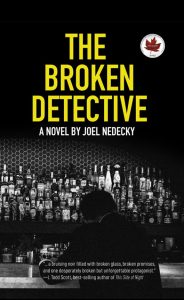
The Broken Detective by Joel Nedecky

Jake Joelson is more than broken. He’s a down and out private in­vest­ig­at­or with a heavy-duty drink­ing prob­lem. All he’s got to his name is a col­lec­tion of over­drawn cred­it cards, a truck, couch and TV.

But he loves his mom and will do any­thing to make sure she’s fin­an­cially okay when he heads to jail in two weeks. For Jake, that means one last case be­fore his life shrinks to a sev­en-metre square con­crete cell.

His job: find a woman’s miss­ing sis­ter. And switch the booze for a stack of AA meet­ings that just might con­vince the judge to re­duce his sentence.

Dragging his past be­hind him like a ball and chain, Jake struggles to track down the wo­man who dis­ap­peared, while deal­ing with his own demons.

In his de­but nov­el, Nedecky has ad­eptly cre­ated a flawed un­der­dog that read­ers can’t help but root for. Right from page one, Nedecky presents the story in a unique voice. His terse prose is close to the bone, aptly cap­tur­ing the rough edges of Jake’s life.

The story, set in Winnipeg, Manitoba, provides a vivid im­age of the city and a splen­did back­drop for what just might be hap­pen­ing in its shad­owy corners.

A high school teach­er, Nedecky and his fam­ily live in Winnipeg, where he’s work­ing on his second novel.

For more info, vis­it jne​decky​.com.


A different way to start the New Year

Sometime in October I got scooped up in a so­cial whirl that kept me go­ing from birth­day parties to con­certs, dinner’s out and more day after day. That ended in mid-December when I headed south to spend two weeks cel­eb­rat­ing the hol­i­days with family.

So much fun! So much good food! And it was won­der­ful to spend time with fam­ily and friends! But, of course, the busier I got, the less time I had for writ­ing. Each week I thought that would change but it didn’t. By the time I flew home on the last day of 2025, I was ready to get back to work.

The last leg of my jour­ney was delayed for hours due to a thick shroud of fog draped over Vancouver Island. When the plane fi­nally touched down in Comox, I was giddy with re­lief. I just wanted to get home and back to “my real life.”

The cab dropped me off at 12:10 a.m. on New Year’s Day. As I stepped into the near black­out of my front door, I felt some­thing sub­stan­tial, yet squishy, un­der my feet. My im­me­di­ate thought was dead an­im­al.

I fumbled for the small flash­light I’d at­tached to my keyring. I didn’t find it but did man­age to open the car trunk and ac­tiv­ate the car alarm. Looking around at all the dark win­dows in my com­plex, I giggled and called out “Happy New Year!”

When I fi­nally got in­side and was able to shed some light on the mat­ter, the dead an­im­al turned out to be a large wreath someone had left on my door­stop. What a relief!

I love the New Year and the op­por­tun­ity it of­fers for big dreams and in­tro­spec­tion. I usu­ally spend about an hour plot­ting out what I want to ac­com­plish in the up­com­ing months.

I fully in­ten­ded to do that when I woke up the first morn­ing of 2026. But both my body and brains said no. I was tired, so de­cided to wait a day be­fore dash­ing off a list of projects.

The next day’s re­peat re­bel­lion of body and brain made me real­ize my en­ergy bank was empty. I de­cided to give my­self a couple of days to recover…which stretched into a week!

I ate and slept when I wanted, puttered, went for sol­it­ary walks in the woods and, aside from a few short emails and texts, com­mu­nic­ated with no one.  I was sur­prised to find it not bor­ing but relaxing.

When I did sit down to form­al­ize what I want to ac­com­plish this year, I spent a few minutes con­sid­er­ing what gave me en­ergy in 2025 and what drained it.

The an­swers were ob­vi­ous: en­ergy and joy came from writ­ing, tai chi, mu­sic, and spend­ing time in nature and with fam­ily and friends. The drains: too many ap­point­ments and too much socializing.

I love hav­ing fun with friends and fam­ily but, as a writer — and in­tro­vert — I alsoPaula and Shannon Bailey at Nuchatlitz Provincial Park. Photo by Dodie Eyer need alone time. I ad­ded “fix the teetertot­ter” to my 2026 list. I’m not cut­ting any so­cial activ­it­ies out, just mak­ing sure there’s more balance.

And you know what? I found my mini-re­treat so be­ne­fi­cial, I ad­ded it to the list too.

Top photo by Rick James

Bottom photo by Dodie Eyer